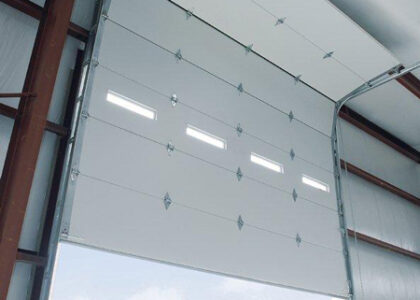

Proper garage door cable maintenance helps keep a garage door operating smoothly, safely, and reliably. Cables work with the spring system to lift and lower a door that may weigh several hundred pounds. When a cable becomes frayed, corroded, loose, or misaligned, the door can move unevenly, jam, or fall unexpectedly.
Dallas homeowners can perform basic visual checks, but garage door cables should never be adjusted or replaced without professional training. These components operate under significant tension, and a simple mistake can cause serious injury or property damage.
What Do Garage Door Cables Do?
Garage door cables connect the door to its counterbalance system. Depending on the design, the cables may wind around drums near the top of the door or work with extension springs along the horizontal tracks.
Their primary functions include:
- Supporting the door’s weight
- Helping the door move evenly
- Transferring spring tension
- Keeping both sides of the door aligned
- Controlling movement during opening and closing
- Supporting safe manual operation
Cables, springs, drums, rollers, and tracks must work together. A problem with one component can place additional stress on the others and eventually lead to a complete system failure.
Why Cable Maintenance Matters
Garage door cables experience tension every time the door opens or closes. A frequently used residential door may complete thousands of operating cycles over several years.
Without proper garage door maintenance, cables may deteriorate because of:
- Normal wear
- Corrosion
- Moisture exposure
- Improper spring tension
- Misaligned tracks
- Damaged cable drums
- Loose hardware
- Friction against another component
- An unbalanced door
- Poor initial installation
Early detection gives homeowners an opportunity to schedule professional garage door repair before a weakened cable snaps or slips off its drum.
1. Inspect the Cables Visually
Homeowners can inspect visible sections of the cables while the garage door is fully closed. Do not touch, pull, loosen, or attempt to reposition them.
Look for:
- Frayed wire strands
- Rust or corrosion
- Kinks
- Flattened sections
- Loose cables
- Cables rubbing against hardware
- Uneven tension between the two sides
- A cable that has slipped from its drum
- Strands separating near connection points
Even one broken strand may indicate that the cable is weakening. Because damage can progress quickly under tension, arrange professional service instead of waiting for the cable to fail.
2. Watch the Door as It Moves
Cable problems often affect how a garage door travels. Stand inside the garage at a safe distance and observe one complete opening and closing cycle.
Warning signs include:
- One side moving faster than the other
- A crooked or tilted door
- Jerky movement
- Shaking panels
- The door stopping unexpectedly
- A gap beneath one side when closed
- The door becoming stuck in the opening
- Cables appearing loose during movement
Stop operating the door if it becomes uneven or unstable. Continued use may allow the cable to leave its drum, damage the tracks, or place excessive stress on the opener.
3. Listen for Unusual Noises
A properly maintained system should operate with relatively consistent sound. New grinding, scraping, popping, or banging noises can indicate problems with cables, springs, rollers, drums, or tracks.
A sudden loud bang may indicate a broken spring rather than a failed cable. Because these components work together, professional diagnosis is important.
Do not assume that adding lubricant will correct every noise. Lubrication cannot repair frayed cables, damaged bearings, misaligned tracks, or broken springs.
4. Check the Cable Drums from a Safe Distance
Torsion-spring garage doors commonly have cable drums near the upper corners of the opening. The lifting cables should wind evenly within the grooves of these drums.
Potential warning signs include:
- Cable overlapping on the drum
- Loose cable hanging below the drum
- Uneven winding
- Visible drum damage
- A cable outside its intended groove
- One side appearing tighter than the other
Do not place your hands near the drums or attempt to rewind a cable. The tension in this area can release without warning.
5. Keep the Bottom Brackets Secure—but Do Not Adjust Them
Lifting cables commonly attach near the bottom corners of the door. These bottom brackets may also be connected to the spring system and can remain under extreme tension even when the door is closed.
Homeowners should never loosen the fasteners on a bottom bracket. If the bracket is bent, rusted, loose, or pulling away from the panel, stop using the door and contact a professional.
Professional garage door services can determine whether the bracket, cable, or lower section of the door needs repair.
6. Address Corrosion Early
Dallas weather can expose garage door components to humidity, rain carried in by vehicles, condensation, and temperature changes. These conditions may contribute to corrosion, especially in garages with limited ventilation.
Rust can weaken cable strands and other metal components. Check for corrosion around:
- Lifting cables
- Bottom brackets
- Cable drums
- Springs
- Hinges
- Tracks
- Fasteners
Surface discoloration does not always mean a cable is about to fail, but visible rust should be evaluated. A cable with both corrosion and broken strands generally requires prompt replacement.
7. Keep Tracks and the Garage Floor Clear
Tools, boxes, sports equipment, and other objects near the tracks can interfere with door movement. An obstruction may cause the door to become uneven, forcing one cable to carry more load than the other.
Keep the area around the door free from:
- Stored objects
- Trash containers
- Loose tools
- Bicycles
- Yard equipment
- Dirt and debris
- Items leaning against the tracks
Never place your fingers, hands, or tools inside the tracks while the door is moving.
8. Do Not Lubricate Garage Door Cables Unless Directed
Lubrication can benefit certain garage door components, but applying lubricant directly to lifting cables is not always recommended. Some cable systems are designed to operate without added lubricant, and excessive product can attract dirt or make inspection more difficult.
Follow the door and opener manufacturer’s instructions. A technician can explain which components should be lubricated and which products are compatible with the system.
Appropriate maintenance may include lubricating designated:
- Hinges
- Roller bearings
- Springs
- Bearing plates
- Opener components
Avoid using general-purpose penetrating products as a substitute for a garage-door lubricant when the manufacturer specifies otherwise.
9. Test the Door’s Balance Safely
An unbalanced door can place excessive stress on cables, springs, and the opener. However, homeowners should only perform a balance test when the door appears stable and no cable or spring damage is visible.
Follow the manufacturer’s instructions for disconnecting the opener. A balanced door should generally remain near the selected position instead of rapidly rising or falling.
Reconnect the opener correctly after testing. If the door drops, rises on its own, feels unusually heavy, or does not remain level, stop operating it and schedule professional service.
Never conduct this test when:
- A cable is loose or frayed
- A spring appears broken
- The door is crooked
- The tracks are damaged
- The door is stuck partially open
- The system is making sudden, severe noises
10. Inspect the Spring System
Cable performance depends heavily on spring condition. If a torsion or extension spring loses tension or breaks, the cables may become loose, unwind incorrectly, or allow the door to move unevenly.
Signs that garage door spring repair may be needed include:
- A visible gap in a torsion spring
- A stretched or broken extension spring
- A loud bang from the garage
- A door that feels extremely heavy
- An opener that cannot lift the door
- Loose cables on either side
- A door that rises only a few inches
- Uneven movement
Garage door springs store dangerous energy. Do not attempt to adjust winding cones, spring tension, cables, or drums.
11. Schedule Preventive Professional Maintenance
A professional maintenance appointment can identify deterioration that may be difficult to see during a basic homeowner inspection.
A technician may check:
- Cable condition and alignment
- Cable drums
- Spring balance
- Bottom brackets
- Track alignment
- Rollers and hinges
- Bearing plates
- Door panels
- Opener travel limits
- Safety sensors
- Automatic reversal
- Weather seals
- Fasteners and reinforcement
Many residential garage doors benefit from professional service approximately once a year. Doors used several times each day or operating in demanding conditions may need more frequent attention.
Signs a Garage Door Cable May Be Failing
Call for service if you notice:
- Frayed or separated cable strands
- Rust extending through the cable
- A cable hanging loosely
- One cable tighter than the other
- A crooked garage door
- A cable outside its drum groove
- Scraping or grinding noises
- The door becoming stuck
- A gap beneath one side
- A damaged bottom bracket
- Sudden changes in door speed
- A spring or cable that has snapped
Do not walk or stand beneath a door that appears unstable. Keep children, pets, and vehicles away from the area until it has been professionally inspected.
What to Do When a Garage Door Cable Breaks
A broken cable can leave the door crooked, jammed, or unsupported on one side. If this happens:
- Stop using the door immediately.
- Do not press the opener again.
- Keep everyone away from the opening.
- Do not attempt to pull the cable.
- Do not loosen the bottom bracket or cable drum.
- Avoid forcing the door closed or open.
- Contact a professional repair company.
If the door is stuck open, the garage may temporarily become a security concern. A technician can determine how to stabilize and secure it safely.
Why DIY Cable Replacement Is Dangerous
Online tutorials may make cable replacement appear straightforward, but the procedure involves components under considerable tension. Releasing or applying that tension incorrectly can cause cables, tools, springs, or metal hardware to move violently.
DIY cable work can result in:
- Serious hand or facial injuries
- A falling garage door
- Damaged panels
- Bent tracks
- Incorrect cable winding
- Uneven spring tension
- Opener damage
- Premature component failure
Professional technicians use proper tools and controlled procedures to secure the door, release tension, replace compatible components, and rebalance the system.
Should Both Garage Door Cables Be Replaced?
When one cable fails because of age or wear, the other cable may have experienced a similar number of operating cycles. A technician may recommend replacing both cables to maintain even performance.
The decision depends on:
- Cable age
- Condition of the remaining cable
- Type and size of the door
- Spring condition
- Drum condition
- Cause of the failure
- Manufacturer requirements
Replacing only one cable is not automatically wrong, but the complete system should be inspected before deciding.
How Garage Door Installation Affects Cable Life
Correct garage door installation establishes the foundation for dependable cable performance. Cables can wear prematurely when the tracks, drums, springs, or door panels are improperly installed.
Professional installation should ensure that:
- Cables match the door’s weight and design
- Drums are correctly sized
- Springs provide appropriate counterbalance
- Tracks remain parallel and aligned
- Bottom brackets are securely attached
- The door closes evenly
- The opener does not carry the door’s full weight
- Safety systems operate correctly
If a recently installed door repeatedly loses cables or moves unevenly, the entire installation should be inspected rather than continually replacing individual components.
Automatic Garage Doors Need Cable Maintenance Too
The opener on an automatic garage door does not replace the spring-and-cable system. The opener guides a properly balanced door; it should not lift the entire door’s unassisted weight.
When cables or springs are damaged, continued opener use may affect:
- The motor
- Gears
- Rail
- Trolley
- Door panels
- Mounting hardware
If the opener strains, hums without moving the door, or stops after lifting only a few inches, discontinue use and schedule an inspection.
Garage Door Cables and Home Security
A damaged cable can prevent a door from closing fully, leaving the garage and possibly the home vulnerable. Even if the door reaches the floor, uneven tension may create gaps or make the door easier to move.
Consistent maintenance supports security by helping ensure that:
- The door closes evenly
- Locks align correctly
- The opener reaches its intended closed position
- Panels remain inside their tracks
- The system cannot be easily lifted because of mechanical failure
- Vehicles and stored belongings remain protected
For attached garages, homeowners should also keep the interior entry door locked and equipped with exterior-grade security hardware.
What About Automatic Gates?
Although automatic gates use different operating components, they also depend on cables, chains, hinges, rollers, tracks, operators, or arms that require periodic inspection.
A company experienced with automatic gates and garage doors can help homeowners maintain multiple property access points. Each system should be inspected independently because the maintenance requirements and safety procedures differ.
When Repair Is Not Enough
Cable replacement may correct an isolated failure, but broader garage door repair or replacement could be necessary if the system has:
- Severely bent tracks
- Widespread panel damage
- Corroded bottom sections
- Repeated cable failures
- Incompatible springs
- Damaged cable drums
- Significant structural movement
- An outdated or failing opener
- Unsafe installation
A professional assessment can identify the underlying cause so new cables do not fail prematurely.
Professional Garage Door Cable Service in Dallas
Consistent garage door cable maintenance helps protect the cables, springs, opener, panels, and other operating hardware. Visual inspections and keeping the area clear are appropriate homeowner tasks, but cable adjustment and replacement require professional service.
Bulldog Automatic Gates & Garage Doors provides garage door services in Dallas, including cable inspections, garage door maintenance, garage door repair, installation, automatic garage door solutions, and automatic gate services. Schedule an inspection if your door appears uneven, produces unusual sounds, or shows visible cable damage.
Frequently Asked Questions
How often should garage door cables be inspected?
Homeowners can visually check cables periodically while the door is closed. Many residential doors also benefit from professional maintenance about once a year or sooner if the door operates unusually.
Can I replace a garage door cable myself?
Garage door cable replacement is not considered a safe DIY repair because the cables work with high-tension springs. Professional replacement is recommended.
Can I use my garage door with one broken cable?
No. Operating a door with one broken cable can cause uneven movement, track damage, opener strain, or sudden door movement.
Why does a garage door cable keep coming off its drum?
Possible causes include incorrect spring tension, an uneven door, damaged drums, track problems, obstruction, or improper cable installation. The complete system should be inspected.
Should both cables be replaced at the same time?
A technician may recommend replacing both when they are similar in age and condition. This can help maintain balanced lifting, but the decision should follow an inspection.
Does garage door maintenance include cable replacement?
Routine maintenance generally includes inspecting cables and related hardware. Replacement is normally a separate repair performed when damage or excessive wear is found.
📍 Proudly serving homes and businesses across Dallas, Texas
📞 Call us today or visit www.bulldoggaragerepair.com to schedule service.📍 Proudly serving homes and businesses across Dallas, Texas