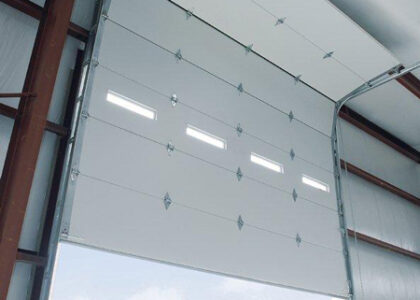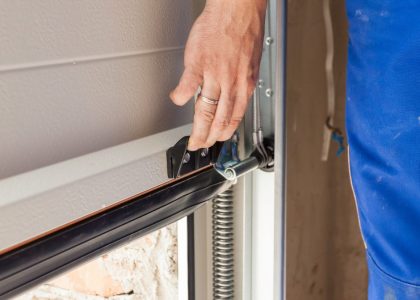

A garage door that refuses to open, makes unusual noises, or closes unevenly can disrupt your day and leave your property difficult to access. For Dallas homeowners and businesses, understanding common garage door problems helps make the next step clearer.
The same symptom can have several causes. A door that will not move might have an opener issue, a broken spring, or a mechanical obstruction. Replacing a remote or adjusting an opener will not resolve every problem.
This guide explains what different symptoms may mean, which simple checks are reasonable, and when professional garage door repair is needed.
1. The Garage Door Will Not Open
Possible causes include a loss of power to the opener, a dead remote battery, an engaged control lock, or a mechanical problem with the door. A broken spring can also prevent normal opening because the counterbalance system no longer supports the door correctly.
Start with the simple observations: does the wall control respond, does the opener have power, and does your owner’s manual identify a lock setting or diagnostic code?
If the motor runs but the door stays still—or the door appears crooked or damaged—stop cycling the opener. Record what you hear and see, then request garage door repair services. Do not pull the emergency release on an open door when a spring or cable failure is suspected; the door could fall.
2. The Door Will Not Close or Reverses
On many residential opener systems, photoelectric safety sensors prevent closing when the beam is obstructed or the sensors are misaligned. Dirty lenses, damaged wiring, and objects in the doorway can also interfere with operation.
With the door stationary, clear objects from the opening and gently clean accessible sensor lenses according to the manual. Note any flashing lights or displayed error codes.
Reversal can also result from binding or other mechanical issues. Do not bypass safety sensors or increase opener force to make the door overcome resistance. If the problem continues, have a technician check both the opener and door mechanism.
3. The Door Makes Grinding, Squeaking, or Rattling Sounds
Some operating noise is normal, but a new sound deserves attention. Possible causes include worn rollers, loose hardware, damaged hinges, or wear in the opener’s drive components.
An overhead garage door relies on several moving parts working together. A technician can trace the noise to its source and determine whether lubrication, adjustment, or replacement is appropriate.
Avoid treating every sound with a lubricant spray. Follow the manufacturer’s instructions for approved products and application points. A damaged component may need replacement rather than lubrication.
4. The Garage Door Moves Unevenly or Comes Off Track
A crooked door can indicate a cable problem, damaged rollers, or another issue affecting support and movement. Impact damage may also interfere with its travel.
Keep people away and stop operating the door if one side hangs lower or a roller has left the track. Do not push the door back into position or loosen its cable attachments.
Cables and related components work with the spring system under significant tension. This type of garage door problem calls for professional assessment before the door is used again.
5. The Remote or Keypad Stops Working
If the wall control works but the remote does not, the issue may involve the remote battery, programming, or communication with the opener. A keypad may also need a fresh battery or reprogramming.
Check the model-specific manual before changing settings. Repeatedly resetting the opener can erase useful configuration information and complicate troubleshooting.
When contacting a service provider, explain which controls work and which fail. That distinction helps narrow the investigation before any garage door parts are replaced.
6. There Are Gaps Around the Closed Door
Worn weather seals can allow drafts, dust, and water through the opening. A bottom gap may also reflect an uneven floor, a damaged panel, or a door that is not reaching its correct closed position.
Replacing a seal may be suitable when the door otherwise closes correctly. Persistent or uneven gaps deserve a closer assessment.
An insulated garage door can help limit heat transfer through its panels, but insulation does not correct poor fit or failing perimeter seals. If comfort is a concern, assess the whole opening before choosing an upgrade.
7. Panels Are Dented, Cracked, or Deteriorating
A minor surface mark may be cosmetic, while a damaged section can interfere with alignment or movement. Do not assume every dent requires a complete replacement—or that every damaged panel is safe to keep using.
A repair assessment should consider the door’s construction, the location of the damage, available replacement sections, and the condition of the remaining system.
Professional garage door installation may be appropriate when damage is extensive or a suitable repair is unavailable. If replacing the door changes its weight or configuration, the supporting hardware and opener compatibility need review too.
Commercial Garage Doors Need a Suitable Service Plan
Commercial garage doors may serve busy loading areas, workshops, or parking facilities. Repeated operation and vehicle impacts can create maintenance needs that differ from those of a residential door.
Record operating interruptions and arrange service when noise, movement, or closing behavior changes. A maintenance schedule should reflect the specific door, operator, and usage level.
A fire-rated garage door or rolling fire-door assembly has additional requirements. Routine opening and closing does not establish that its fire-protection functions work correctly. Use qualified personnel for inspections, release-function checks, and any required drop testing under the manufacturer’s instructions and applicable requirements. Replacement parts must be appropriate for the rated assembly.
How Garage Door Maintenance Helps
Garage door maintenance gives a technician an opportunity to identify wear before it interrupts operation. A service plan can include checks of movement, hardware condition, weather seals, and safety functions, with work tailored to the manufacturer’s guidance.
Between visits, keep the doorway clear and note changes in sound or behavior. Share those observations rather than repeatedly operating a malfunctioning door to reproduce the issue.
Maintenance can reduce unexpected problems, but it does not make worn or damaged components usable indefinitely. Timely repairs remain part of dependable operation.
Choosing Garage Door Services in Dallas
Before approving work, ask for an explanation of the fault, the recommended repair, and the components involved. A useful proposal should identify whether the problem is with the door, the opener, or both.
For replacement work, ask how the selected equipment suits the opening and its intended use. For repairs, ask whether the recommended garage door parts match the existing system.
Bulldog Garage Door Repair offers residential and commercial garage door installation, repair, opener services, parts, and preventive maintenance in the Dallas area. Its service offerings also include spring and cable repairs.
Call Bulldog Garage Door Repair at 972-433-0407 or visit its garage door services page to discuss your Dallas property’s needs.
📍 Proudly serving homes and businesses across Dallas, Texas
📞 Call us today or visit www.bulldoggaragerepair.com to schedule service.
Frequently Asked Questions
What causes most garage door problems?
Common possibilities include wear, damaged components, sensor obstructions, and opener or control issues. The cause depends on the symptom and needs assessment before parts are replaced.
Can I keep using a noisy garage door?
A new noise should be investigated. Stop using the door if the sound accompanies jerking, visible damage, crooked movement, or another change that suggests a mechanical failure.
Why does my garage door close and then reverse?
Possible causes include a sensor issue, an obstruction, mechanical resistance, or an opener setting problem. Have persistent reversal assessed rather than bypassing the safety system.
Should I repair or replace my garage door?
That depends on the damage, overall condition, parts availability, and whether the existing door suits the property. A localized fault may be repairable; extensive damage may justify replacement.
Does an insulated garage door need maintenance?
Yes. Insulated doors still have moving hardware, seals, and operating equipment that require inspection and maintenance according to the manufacturer.