
A garage door depends on several components working together. While springs and openers often receive the most attention, garage door rollers, hinges, and tracks are essential to how a sectional door moves.
Rollers travel along the tracks, hinges allow the sections to pivot, and tracks guide the door through its opening path. When one component wears out or becomes damaged, the symptoms can overlap with problems elsewhere in the system.
For Dallas–Fort Worth homeowners and business owners, understanding these garage door parts makes it easier to describe a problem and recognize when professional service is needed.
What Do Garage Door Rollers Do?
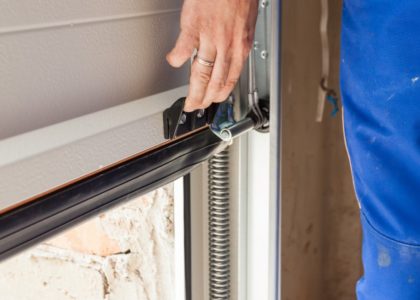
Garage door rollers consist of a wheel attached to a stem. The stems fit into designated fixtures along the door edges, while the wheels travel inside the tracks.
As a sectional door opens, its rollers follow the vertical track and curved transition toward the overhead position. Their condition affects how smoothly and quietly the door travels. Rollers guide movement, while the spring system performs the separate job of counterbalancing the door’s weight.
Rough operation may involve worn rollers, but it can also involve track alignment, hinges, or lifting hardware. An inspection should identify the cause before parts are replaced.
Comparing Garage Door Roller Options
Steel and nylon rollers are common options, but material alone does not establish suitability.
Important specifications include:
- Wheel diameter.
- Stem length.
- Bearing construction.
- Load rating.
- Compatibility with the door and track.
Quality nylon rollers may help reduce operating noise. Clopay recommends high-quality nylon rollers for smooth, quiet operation.
However, the complete specification matters. A replacement intended for a residential door should not be selected for a commercial garage door simply because it looks similar.
Ask your technician which roller design fits the installed equipment and expected usage.
How Garage Door Hinges Work
Hinges connect adjacent door sections and allow them to pivot as the door follows the track curve. Some edge hinges also hold roller stems.
Replacement hinges must match their intended positions. Different designs or offsets may be required at different locations, so selecting hardware by appearance alone can create problems.
Cracked metal, abnormal movement, or deterioration around attachment points warrants attention. Adding lubricant cannot repair a fractured hinge or restore damaged mounting material.
When scheduling garage door repair, mention whether the problem appears concentrated around a particular panel or hinge location.
Why Garage Door Tracks Matter
Tracks define the path followed by the rollers. Their alignment, condition, and support affect the door’s travel.
Impact damage, a bent section, or displaced supports can interrupt movement. Even a seemingly minor vehicle bump deserves attention if the door subsequently binds or a roller no longer sits correctly.
Clopay identifies track work among repairs best handled by a professional. Do not hammer a bent track, loosen supports, or force a displaced roller back into place.
Professional garage door services should address the underlying damage and check related components.
Warning Signs That Need Attention
Changes in normal operation can signal developing problems. Arrange an inspection if you notice:
- New grinding, scraping, or persistent rattling.
- Jerking or binding during travel.
- A visibly cracked roller or hinge.
- A bent or displaced track.
- A roller outside the track.
- Uneven positioning or a door stuck partway.
Sound alone does not identify a failed component. Describing when the noise occurs and where it appears to originate can help the technician assess the situation.
If a roller has left the track or the door is visibly crooked, stop operation and keep the opening clear. Avoid repeatedly cycling the opener to investigate.
How Rollers and Tracks Relate to Cables and Springs
The guide hardware and lifting system perform different jobs, but faults in either can affect overall movement.
Damaged cables or spring problems can produce symptoms that resemble roller or track trouble. A complete assessment helps distinguish between these possibilities.
Garage door spring repair may be necessary when the counterbalance system is defective. It should not be recommended solely because a roller is noisy.
Springs and their associated hardware are under considerable tension. If you see a frayed cable, a broken spring, or loose lifting hardware, leave the door out of service and have a trained technician assess it. www.geniecompany.com
If the door is open or partially open, keep people away. Do not pull the emergency release or attempt to reposition the door when lifting-system failure is suspected.
Garage Door Maintenance for Rollers, Hinges, and Tracks
Follow the door and opener manufacturers’ garage door maintenance instructions. Requirements differ according to the installed hardware.
Lubrication is particularly easy to misunderstand. Some moving components need specified lubrication, while sealed bearings and certain roller designs have different requirements. Applying grease throughout the track is not a substitute for correcting wear or alignment.
Ask your technician:
- Which locations require lubrication?
- Which product is appropriate?
- What can the owner safely inspect?
- What changes should prompt a service call?
From a safe position, note visible deterioration and changes in normal operation. Arrange service promptly when a fault appears.
Residential and Commercial Service Needs
Residential garage door services should account for the door’s size, weight, hardware, and daily usage. A heavily used household door may accumulate wear faster than a rarely operated one.
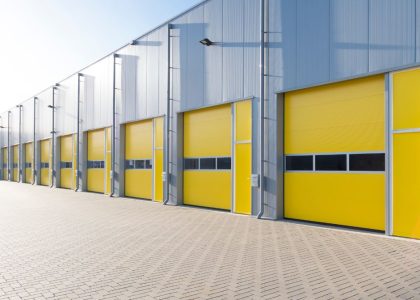
Commercial service also needs to reflect the exact equipment installed. Sectional commercial doors may use rollers, hinges, and tracks, while rolling steel doors have a different construction.
Using compatible replacement parts and following equipment-specific maintenance guidance is essential. One general repair approach will not suit every property.
Schedule Service With Bulldog Garage Repair
Garage door rollers, hinges, and tracks work together to guide sectional doors through their travel. Changes in sound, visible wear, or irregular movement deserve attention before continued use worsens the problem.
Bulldog Garage Repair lists repair, preventive maintenance, replacement parts, spring repair, and damaged-cable service for Dallas–Fort Worth customers.
Call 972-433-0407 or visit Bulldog Garage Automatic Gates & Garage Doors to discuss your door’s symptoms and request an inspection.
Frequently Asked Questions
Are nylon garage door rollers better than steel rollers?
The best choice depends on compatibility, bearing design, load rating, and operating conditions. Quality nylon rollers may reduce noise, but the complete specification matters.
Does a noisy door always need new rollers?
No. Hinges, tracks, lifting hardware, or maintenance needs can also cause noise. An inspection should identify the source before replacement.
Can I straighten a garage door track myself?
Have a professional assess track damage. Changing alignment or supports can affect door stability and travel.
Do all garage door hinges use the same replacement part?
No. Different positions may require different designs or offsets. Replacements should match the manufacturer’s specifications.
What should I do if a roller comes out of the track?
Stop using the door, keep people away, and request professional garage door repair. Do not force the roller back in or attempt to move the door.
📍 Proudly serving homes and businesses across Dallas, Texas
📞 Call us today or visit www.bulldoggaragerepair.com to schedule service.