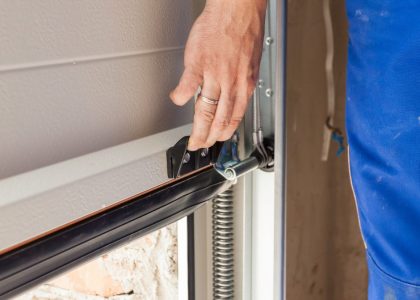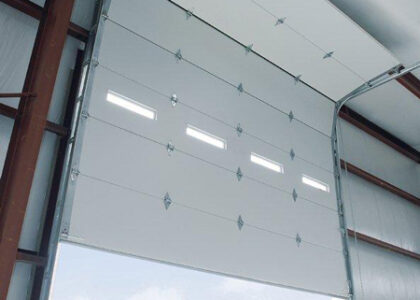

Prompt garage door repair can prevent a minor mechanical problem from damaging multiple parts of the system. A worn roller, loose cable, weak spring, or misaligned track may initially seem like a small inconvenience. However, continuing to operate the door can place additional strain on the opener, panels, tracks, cables, and safety components.
For Dallas homeowners, delaying service may lead to higher repair costs, unexpected breakdowns, security concerns, and serious safety risks. Addressing warning signs early helps protect both the garage door and the people who use it.
Small Garage Door Problems Rarely Fix Themselves
A garage door is a coordinated system containing many moving parts. Each component depends on the others for smooth and balanced operation.
Important components include:
- Springs
- Lifting cables
- Cable drums
- Tracks
- Rollers
- Hinges
- Door panels
- Bearings
- Brackets
- Weather seals
- Safety sensors
- The automatic opener
When one part begins to fail, another component often compensates for it. For example, a weakened spring can force the opener to lift more weight than it was designed to handle. This may turn a spring replacement into a spring-and-opener repair.
Timely professional garage door services can identify the original defect before it causes additional damage.
1. Worn Springs Can Damage the Opener
Garage door springs counterbalance the door’s weight. A properly balanced door should move with controlled effort instead of depending entirely on the opener.
As a spring weakens, homeowners may notice:
- The door becoming difficult to lift
- The opener straining or moving slowly
- The door stopping after rising a few inches
- Uneven movement
- Loud popping or creaking sounds
- A visible gap in a torsion spring
- Loose lifting cables
Ignoring these signs can damage the opener’s motor, gears, rail, trolley, or mounting hardware.
Professional garage door spring repair should be scheduled as soon as a spring breaks or shows signs of significant wear. Springs store substantial energy and should never be adjusted or replaced without the correct training and tools.
2. Frayed Cables Can Cause Sudden Door Failure
Garage door cables work with the springs to lift and lower the door evenly. If one cable becomes frayed, corroded, loose, or misaligned, the door may tilt or become jammed.
Continued operation can cause:
- The cable to snap
- The cable to leave its drum
- One side of the door to drop
- Rollers to come out of the tracks
- Door panels to bend
- The opener to become overloaded
- The door to become stuck open
Cable damage requires immediate professional attention. Do not pull the cable, loosen the bottom brackets, or attempt to rewind the cable drum.
If the door appears crooked or a cable is hanging loosely, stop using it until a technician completes the necessary garage door repair.
3. Misaligned Tracks Can Damage Rollers and Panels
Garage door tracks guide the rollers and help keep the door properly positioned. A minor alignment problem may initially cause rubbing or unusual noise. Over time, however, it may increase friction and force the door out of alignment.
Delayed track repair can lead to:
- Damaged rollers
- Loose brackets
- Bent tracks
- Scraped panels
- Uneven cable tension
- Premature opener wear
- A door leaving the track
- Complete system failure
Tracks should never be forced back into position while the door is under tension. A professional can determine whether the track needs adjustment, reinforcement, or replacement.
4. Damaged Rollers Increase Stress Throughout the System
Rollers allow the garage door to travel through the tracks. When they crack, seize, wobble, or wear down, the door may move roughly and create unnecessary resistance.
Common signs of roller problems include:
- Grinding or squeaking
- Jerky door movement
- Excessive vibration
- Rollers shifting inside the tracks
- Visible cracks or flat spots
- The door becoming slower
A damaged roller is generally less expensive to address before it affects the hinges, tracks, opener, or panels. Routine garage door maintenance can identify worn rollers before they create broader mechanical problems.
5. Loose Hardware Can Become Structural Damage
A garage door creates vibration during every operating cycle. Over time, appropriate fasteners may loosen, especially when the door is unbalanced or frequently used.
Loose hardware may affect:
- Track brackets
- Hinges
- Reinforcement struts
- Opener mounts
- Roller brackets
- Door panels
Ignoring a loose hinge or bracket can allow the connected material to crack or tear. At that point, replacing a fastener may no longer be sufficient; the panel or track assembly may also require repair.
Homeowners may visually inspect accessible hardware, but they should avoid adjusting bottom brackets, springs, cables, or other high-tension components.
6. A Faulty Opener Can Cause Additional Damage
The opener should guide a balanced garage door rather than carry its full weight. If the opener is straining, there may be a problem with the springs, cables, rollers, tracks, or door balance.
Possible opener warning signs include:
- Humming without movement
- Intermittent operation
- Unexpected reversal
- Slow opening
- Failure to close completely
- Excessive vibration
- Grinding from the motor housing
- A sagging opener rail
Repeatedly pressing the remote will not correct a mechanical obstruction. It may cause the motor, gears, or trolley to fail.
Professional diagnosis can determine whether the opener itself is defective or reacting to another problem within the door system.
7. Damaged Panels May Become More Expensive to Replace
A small dent may be primarily cosmetic, but deeper panel damage can affect how the door moves. Bent panels may place pressure on hinges, rollers, and tracks.
The problem may worsen when:
- The damaged section flexes during operation
- Reinforcement has been compromised
- Cracks spread around hinges
- The panel no longer aligns with adjacent sections
- Corrosion develops
- Wind pushes against the weakened area
Some panels can be replaced individually if compatible parts remain available. If damage spreads or the model has been discontinued, complete garage door installation may become the only practical solution.
8. Minor Gaps Can Become Security Vulnerabilities
A garage door that does not close completely may leave the home vulnerable to unauthorized entry. Gaps can result from:
- Broken springs
- Loose cables
- Track misalignment
- Damaged weather seals
- Incorrect opener limits
- Bent panels
- An uneven garage floor
- Obstructions near the tracks
A garage may contain vehicles, tools, equipment, and an entry door leading into the home. For this reason, a malfunctioning garage door is also a security issue.
Prompt repairs help ensure that the door closes evenly, the opener reaches its correct limit, and available locking features engage properly.
9. Safety Sensors Should Never Be Ignored
Automatic garage doors use photoelectric sensors to detect an obstruction near the floor. When the beam is interrupted, the door should not close normally.
Sensor problems may be caused by:
- Dirt on the lenses
- Misalignment
- Loose wiring
- Impact damage
- Sunlight interference
- A failed sensor
- Incorrect installation
Homeowners can clean the lenses and remove objects from the doorway. However, they should not bypass, disconnect, or reposition the sensors simply to make the door close.
If the issue continues, professional service is needed. Operating a door without functional safety sensors can put children, pets, vehicles, and belongings at risk.
10. Delayed Repairs Can Leave Your Vehicle Trapped
A garage door breakdown rarely happens at a convenient time. A broken spring, snapped cable, damaged track, or failed opener may leave the door stuck closed with a vehicle inside.
Alternatively, a door stuck open can expose the garage and home to:
- Theft
- Rain and wind
- Animals and pests
- Heat
- Dust and debris
- Unauthorized entry
Early repairs allow homeowners to schedule service before the door becomes completely inoperable. Emergency service may be more disruptive than a planned appointment.
11. Weather Can Make Existing Damage Worse
Dallas weather can expose residential garage doors to strong sunlight, heat, wind, thunderstorms, and rapid temperature changes.
Weather may worsen existing problems by:
- Expanding and contracting metal components
- Drying or cracking seals
- Accelerating corrosion
- Blowing debris into tracks
- Damaging weakened panels
- Affecting electronic components
- Shifting a poorly reinforced door
A damaged door may also provide less protection during severe weather. Loose panels, weak brackets, and improper reinforcement should be addressed before the next major storm.
12. Neglected Maintenance Can Shorten System Life
Preventive garage door maintenance helps reduce avoidable wear. A technician can detect problems that may not be obvious during everyday operation.
A maintenance visit may include checking:
- Springs and cables
- Cable drums
- Rollers and hinges
- Tracks and brackets
- Door balance
- Panel condition
- Reinforcement
- Weather seals
- Opener travel limits
- Safety sensors
- Automatic reversal
- Locks and controls
Many residential systems benefit from professional maintenance approximately once a year. Doors that operate several times daily or show unusual movement may need earlier attention.
Warning Signs That Require Prompt Garage Door Repair
Schedule service if you notice:
- Frayed or loose cables
- A broken spring
- A crooked door
- Grinding, scraping, or popping noises
- Slow or jerky movement
- Damaged rollers
- Bent tracks
- Cracked panels
- The door reversing unexpectedly
- Failure to close completely
- The opener straining
- Gaps beneath or around the door
- Safety sensors that do not respond
- The door moving on its own
- A sudden change in operating speed
Stop using the system if the door is hanging unevenly, has a broken spring or cable, or appears likely to fall.
When Is a Problem an Emergency?
Some garage door issues can wait for a scheduled appointment, but others require immediate attention.
Contact a professional promptly when:
- The door is stuck partially open
- A spring or cable has snapped
- The door has left its tracks
- A panel is collapsing
- The door cannot be secured
- The door falls unexpectedly
- Hardware is visibly detached
- The system creates an immediate safety risk
Keep people, pets, and vehicles away from an unstable door. Do not stand underneath it or attempt to force it open or closed.
Repair vs. Replacement
Repair is often the best option when the door remains structurally sound and the problem is limited to specific components.
Common repairs include:
- Spring replacement
- Cable replacement
- Roller replacement
- Track adjustment
- Sensor repair
- Opener repair
- Hinge replacement
- Weather-seal replacement
- Minor panel work
New garage door installation may offer better long-term value when:
- Several major components are failing
- Panel damage is widespread
- Replacement parts are unavailable
- The door repeatedly leaves its tracks
- Corrosion is extensive
- The system lacks important safety features
- The door no longer fits the opening correctly
- Repair costs approach the cost of replacement
A professional inspection can help homeowners compare immediate repair costs with the expected service life of the existing system.
How Delayed Repairs Affect Automatic Garage Doors
The opener in an automatic garage door system depends on the door being balanced and mechanically sound. Continuing to operate a damaged door can overload the opener.
Possible results include:
- Stripped gears
- Motor failure
- Bent opener rails
- Damaged trolleys
- Loose ceiling mounts
- Incorrect travel limits
- Premature opener replacement
Disconnecting the opener does not automatically make a damaged door safe to move manually. If a spring or cable is broken, the full door weight may be uncontrolled.
Automatic Gates Also Need Prompt Repairs
Like garage doors, automatic gates rely on mechanical hardware, access controls, safety sensors, and powered operators. Delayed gate repairs may strain the motor, damage hinges or rollers, and leave the property unsecured.
Call for automatic gate service if the system:
- Stops before opening or closing fully
- Moves unevenly
- Makes unusual sounds
- Ignores access commands
- Has damaged safety sensors
- Sags or drags
- Opens unexpectedly
- Cannot be secured
Automatic gates and garage doors should be treated as important parts of the property’s security system.
Why Professional Garage Door Repair Is Safer
Garage doors contain high-tension springs and cables capable of releasing energy suddenly. Professional technicians use appropriate tools and procedures to stabilize the door and control that tension.
A professional repair should include:
- Inspecting the complete system
- Identifying the underlying failure
- Securing the door before work begins
- Replacing compatible components
- Restoring proper balance and alignment
- Testing the opener
- Checking the safety sensors
- Confirming automatic reversal
- Verifying smooth operation
- Explaining recommended maintenance
Repairing only the most visible symptom may allow the original cause to remain. A complete inspection helps reduce repeat failures.
How to Reduce Future Repair Costs
Dallas homeowners can help protect their garage doors by:
- Watching and listening during normal operation
- Keeping tracks and sensors clean
- Removing objects from the doorway
- Scheduling preventive maintenance
- Addressing unusual noises promptly
- Replacing damaged weather seals
- Protecting remote controls
- Avoiding impact with vehicles
- Not overloading the door with storage accessories
- Leaving spring and cable adjustments to professionals
Homeowners should also test basic safety features according to the manufacturer’s instructions.
Schedule Garage Door Repair in Dallas
Delaying garage door repair may transform a worn roller, weak spring, loose cable, or minor alignment problem into extensive damage. Prompt service can protect the door panels, opener, tracks, safety components, and home security while reducing the risk of an unexpected breakdown.
Bulldog Automatic Gates & Garage Doors provides professional garage door services in Dallas, including garage door repair, garage door maintenance, garage door spring repair, new installation, residential garage doors, automatic garage door systems, and automatic gate services. Contact the company when your garage door becomes noisy, uneven, unreliable, or difficult to secure.
Frequently Asked Questions
Can I continue using a noisy garage door?
A new or worsening noise may indicate worn rollers, loose hardware, track problems, spring damage, or opener strain. Limit use and arrange an inspection before additional components are affected.
Is a broken garage door spring an emergency?
A broken spring can leave the door extremely heavy or unstable. Stop using the opener and arrange professional garage door spring repair.
Why does my garage door close unevenly?
Possible causes include cable damage, spring imbalance, track misalignment, worn rollers, or an obstruction. Continued use may make the problem worse.
Can a damaged garage door affect home security?
Yes. A door that does not close or lock correctly can expose vehicles, belongings, and the interior entry door. Prompt repair helps restore a secure closure.
When should a garage door be replaced instead of repaired?
Replacement may be more practical when structural damage is widespread, several major components are failing, parts are unavailable, or repair costs approach the price of a new system.
How often should a garage door receive professional maintenance?
Many residential garage doors benefit from professional maintenance approximately once a year. Frequently used doors or systems showing unusual performance may need service sooner.
📍 Proudly serving homes and businesses across Dallas, Texas
📞 Call us today or visit www.bulldoggaragerepair.com to schedule service.