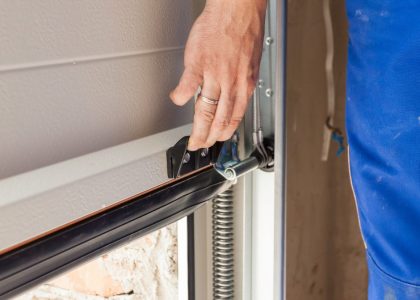

A garage door opener is the quiet choreographer behind your daily comings and goings—until it isn’t. When it stalls, clicks, hums, or refuses to budge, your entire routine feels like it’s stuck halfway on the tracks.
Before the frustration piles up, knowing what you can safely troubleshoot—and when to call a professional—can save time, money, and long-term damage.
This guide walks you through common opener problems, quick checks you can do at home, and signs you need professional garage door services in Dallas.
Common Garage Door Opener Problems Homeowners Face
1. The Opener Isn’t Responding at All
This often points to:
- Dead remote batteries
- Unplugged opener unit
- Tripped breaker
- Faulty wiring
Quick check: Replace the remote batteries, inspect the outlet, and reset the breaker.
If the opener still stays silent, the issue could be electrical—best handled by a professional garage door repair technician.
2. Door Reverses Immediately After Closing
This usually indicates a problem with the safety sensors.
Possible causes:
- Misalignment
- Dirt on the lenses
- Broken wiring
Try this: Clean the sensors with a dry cloth and ensure both lights are on and aligned.
If the issue persists, faulty sensors may need to be replaced—usually a quick fix during a garage door maintenance visit.
3. Opener Runs, but the Door Doesn’t Move
This is typically related to:
- A broken garage door spring
- A disengaged emergency release
- Stripped gears
If you suspect a broken spring, do not attempt repairs yourself—springs are under extreme tension and dangerous.
Call a professional garage door installation and repair specialist immediately.
4. The Opener Makes Grinding or Clicking Noises
Unusual noises can signal:
- Worn rollers
- Loose hardware
- Damaged opener motor
- Gear and sprocket wear
These symptoms may worsen over time and lead to more expensive repairs.
If tightening the rails and brackets doesn’t help, schedule garage door opener repair services.
5. The Door Moves Slowly or Jerks During Operation
Often caused by:
- Track obstructions
- Poor lubrication
- Aging opener components
Lubricating metal moving parts with a silicone-based lubricant may improve performance.
If slow or jerky movement continues, a technician can inspect whether the opener motor is weakening.
Troubleshooting Steps You Can Safely Try at Home
✔ Replace remote batteries
✔ Verify power to the opener unit
✔ Re-align and clean safety sensors
✔ Check for obstructions on the tracks
✔ Lubricate metal components (but never springs!)
If you’re uncomfortable doing any of these tasks, a technician can handle them safely.
When to Call a Professional Garage Door Repair Service
Call a pro when you notice:
- Broken springs or cables
- Burning smell from the motor
- Grinding or rattling that worsens over time
- Unresponsive opener even after troubleshooting
- Door slams shut or opens unevenly
- Frequent reversing—indicating sensor or track issues
Attempting DIY repairs on electrical components, springs, or cables can be dangerous.
Licensed technicians ensure safe and lasting repairs, preventing damage to both the opener and the door system.
Benefits of Hiring Professional Garage Door Services in Dallas
- ✔ Accurate diagnosis of opener issues
- ✔ Safe handling of high-tension components
- ✔ Extended lifespan of your garage door opener
- ✔ Prevention of expensive long-term damage
- ✔ Faster repairs with proper tools and parts
- ✔ Improved home security and convenience
Whether you’re dealing with a broken spring, a faulty opener, or need a complete garage door replacement, Bulldog Garage Repair ensures prompt, professional service to keep your garage door functioning smoothly.
📍 Proudly serving homes and businesses across Dallas, Texas
📞 Call us today or visit www.bulldoggaragerepair.com to schedule service.