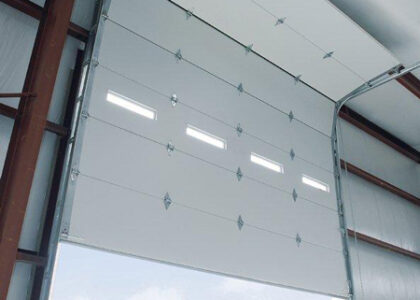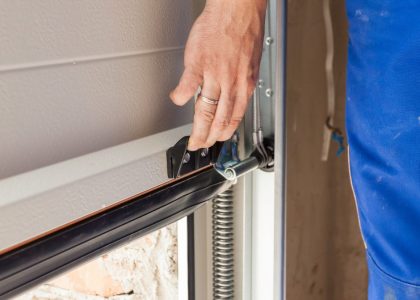

A new garage door can improve security, convenience, energy efficiency, and curb appeal. However, these benefits depend heavily on correct garage door installation. A door that is measured, assembled, balanced, or connected incorrectly may operate noisily, wear out prematurely, damage other components, or create a serious safety hazard.
Garage doors are heavy moving systems that rely on tracks, rollers, cables, springs, brackets, sensors, and an opener working together. Dallas-area property owners can avoid costly problems by understanding the most common installation mistakes and hiring experienced garage door specialists for the job.
Why Proper Garage Door Installation Matters
A garage door may move several times every day. Each cycle places stress on its springs, cables, rollers, tracks, opener, and mounting hardware. Even a small installation error can gradually affect the entire system.
Professional installation helps support:
- Smooth and balanced movement
- Reliable opening and closing
- Proper security
- Quieter operation
- Longer component life
- Weather protection
- Correct safety-sensor performance
- Reduced strain on the opener
- Easier garage door maintenance
- Compliance with product instructions
An improperly installed door may appear functional at first. Problems often become more noticeable after repeated use, severe weather, or normal component wear.
Mistake 1: Measuring the Garage Opening Incorrectly
Accurate measurements are essential when selecting a garage door. Measuring only the visible opening is not enough.
A complete evaluation should consider:
- Opening width
- Opening height
- Side room
- Headroom above the opening
- Backroom inside the garage
- Ceiling height
- Track configuration
- Door thickness
- Opener clearance
- Interior obstructions
- Floor level
- Framing condition
Incorrect measurements can result in a door that does not fit, seal, or move properly. Insufficient headroom may also require specialized tracks or hardware.
Professional garage door specialists inspect the complete opening before recommending a door or installation system.
Mistake 2: Choosing the Wrong Garage Door
Homeowners sometimes select a door based primarily on appearance. Style matters, but weight, insulation, durability, wind exposure, maintenance, and compatibility are equally important.
Common garage door materials include:
- Steel
- Aluminum
- Wood
- Wood composite
- Fiberglass
- Insulated multilayer construction
The right option depends on the building, budget, desired appearance, exposure, and frequency of use. For example, adding heavy decorative elements to a door may change its weight and require different springs or hardware.
The replacement door should also be compatible with the existing opening, track layout, and opener—or those components may need to be replaced.
Mistake 3: Reusing Incompatible Tracks
Old tracks should not automatically be reused with a new garage door. Tracks are designed for specific door sizes, weights, rollers, and hardware configurations.
Reusing incompatible tracks may cause:
- Uneven movement
- Roller binding
- Excessive vibration
- Track separation
- Gaps around the door
- Premature roller wear
- A door coming off track
- Damage to the opener
Even when the old and new tracks look similar, their dimensions or mounting points may differ. Installers should use the hardware specified for the new system unless compatibility has been verified.
Mistake 4: Installing Tracks Out of Alignment
Garage door tracks must be positioned and secured correctly. Tracks that are too tight, too loose, uneven, or improperly spaced can interfere with the rollers.
Signs of poor track alignment include:
- Scraping sounds
- Jerky movement
- Shaking
- Uneven gaps
- Rollers binding
- The door slowing in certain areas
- The door becoming crooked
- Repeated opener strain
The vertical and horizontal tracks must work together while maintaining the correct spacing. Mounting brackets should be attached to suitable structural material rather than weak or damaged surfaces.
Mistake 5: Using the Wrong Springs
Garage door springs counterbalance the door’s weight. They allow the door to move with much less force than its actual weight would otherwise require.
Springs must match factors such as:
- Door weight
- Door height
- Drum size
- Track configuration
- Spring system
- Expected cycle life
A spring that is too strong may cause the door to rise unexpectedly or resist closing. A spring that is too weak may leave the door difficult to lift and place excessive stress on the opener.
Spring selection should be calculated for the completed door, including insulation, windows, reinforcement, and decorative hardware.
Mistake 6: Attempting Dangerous Spring Work Without Training
Torsion and extension springs store substantial mechanical energy. Incorrect handling can lead to serious injury or property damage.
Dangerous installation practices include:
- Using unsuitable winding tools
- Standing in the path of spring components
- Removing hardware before releasing tension
- Installing the wrong spring
- Failing to secure the torsion shaft
- Adjusting springs without testing the door balance
- Reusing damaged cables or brackets
Spring installation and adjustment are not appropriate DIY tasks for most property owners. Trained garage door specialists have the tools and knowledge needed to work with these components more safely.
Mistake 7: Failing to Balance the Door
A garage door should be balanced before the automatic opener is relied upon to move it. The opener is designed to guide a properly balanced door—not compensate for incorrect spring tension.
A poorly balanced door may:
- Feel unusually heavy
- Rise by itself
- Fall when released
- Stop unevenly
- Strain the opener
- Wear out gears or belts
- Damage cables and rollers
- Become difficult to operate manually
During professional garage door installation, the installer should test the door independently of the opener. The door should move smoothly and remain reasonably stable at different positions.
Mistake 8: Treating the Opener as the Lifting System
The garage door opener is only one part of the system. Springs counterbalance the door, while the opener controls movement.
Using a powerful opener to overcome a heavy or binding door can hide an installation problem temporarily. It may eventually lead to:
- Motor failure
- Damaged gears
- Belt or chain wear
- Bent opener rails
- Broken door brackets
- Sudden operational failure
If a door cannot be operated manually with reasonable effort, the balance, tracks, rollers, cables, or other mechanical components should be inspected.
Mistake 9: Selecting an Incompatible Garage Door Opener
Openers vary in lifting capacity, drive type, speed, noise level, and available features. The correct model depends on the door and how the garage is used.
Installation should account for:
- Door size and weight
- Single or double-door configuration
- Ceiling height
- Track design
- Attached living spaces
- Available electrical service
- Backup-power needs
- Smart controls
- Lighting
- Security features
- Frequency of operation
A poorly matched opener may operate slowly, noisily, or unreliably. The opener rail and mounting brackets must also be securely attached and properly aligned.
Mistake 10: Mounting the Opener to Weak Material
The opener and its supports should be attached to appropriate structural framing. Fastening the system only to drywall, thin material, or damaged framing may allow movement during operation.
Weak mounting can cause:
- Vibration
- Excessive noise
- Shifting opener components
- Loose fasteners
- Rail misalignment
- Ceiling damage
- Sudden detachment
The door bracket also requires careful installation. Attaching it to an unsupported section may bend or crack the door panel.
Mistake 11: Incorrectly Positioning the Safety Sensors
Automatic garage doors typically use photoelectric safety sensors near the floor. If the beam is interrupted, the door should reverse or refuse to close.
Common sensor mistakes include:
- Mounting sensors too high
- Installing them at different heights
- Pointing them away from each other
- Leaving wiring exposed to damage
- Placing sensors where tracks or hardware block the beam
- Failing to secure loose brackets
- Ignoring direct-sunlight interference
- Skipping reversal tests
Sensor alignment should be tested after installation and during routine garage door maintenance. Safety devices should never be bypassed simply to make a malfunctioning door close.
Mistake 12: Incorrect Force and Travel Settings
The opener’s travel settings determine where the door stops when opening and closing. Force settings control how the opener responds to resistance.
Incorrect settings may cause the door to:
- Stop before reaching the floor
- Press too firmly against the floor
- Reverse unexpectedly
- Fail to reverse when obstructed
- Open too far
- Leave gaps
- Strain the opener
- Damage panels or hardware
These settings should be adjusted only after the mechanical door system has been installed, aligned, and balanced.
Mistake 13: Installing Cables Incorrectly
Lift cables help transfer spring force to the door. They must be routed and tensioned correctly.
Improper cable installation may cause:
- Uneven lifting
- A crooked door
- Cables coming off the drums
- Fraying
- Cable overlap
- Door binding
- Sudden loss of support
Cables should be inspected for correct placement and equal tension. Damaged or incorrectly sized cables should not be reused.
Mistake 14: Overtightening or Undertightening Hardware
Garage doors require many brackets, hinges, bolts, lag screws, and fasteners. Loose hardware may allow components to move, but excessive tightening can also cause damage.
Overtightening may:
- Distort tracks
- Strip fasteners
- Crack door materials
- Damage hinges
- Prevent rollers from moving correctly
Undertightening may cause vibration, noise, misalignment, or component separation. Installers should follow the manufacturer’s specifications and confirm that mounting points are structurally sound.
Mistake 15: Ignoring the Condition of the Opening
Installing a new door onto damaged framing can create alignment and security problems.
Before installation, the opening should be checked for:
- Rotted wood
- Cracked framing
- Loose trim
- Water damage
- Uneven flooring
- Structural movement
- Damaged mounting surfaces
- Previous installation holes
- Pest damage
- Corrosion
Necessary repairs should be completed before tracks and brackets are secured. A new garage door cannot correct an unstable or severely uneven opening by itself.
Mistake 16: Forgetting Weather Seals and Perimeter Gaps
A garage door should close evenly against the floor and perimeter seals. Missing or improperly installed seals may allow water, dust, insects, hot air, and cold air to enter.
Inspect the:
- Bottom seal
- Side seals
- Top seal
- Panel joints
- Corners
- Floor contact area
An uneven slab may leave gaps even when the door is installed correctly. The installer should identify whether the issue involves the door, weather seal, floor, or framing.
Mistake 17: Ignoring Dallas Weather Conditions
Dallas-area garage doors may be exposed to strong sunlight, high temperatures, thunderstorms, high winds, hail, and rapid weather changes.
Material and installation decisions should consider:
- Heat exposure
- Sun-facing orientation
- Insulation
- Wind resistance
- Corrosion protection
- Weather sealing
- Drainage near the opening
- Storm-related impact risks
The appropriate door depends on the property and installation location. Owners should also ask about wind-related requirements and applicable local building rules before purchasing a system.
Mistake 18: Skipping Permits, Codes, or Manufacturer Instructions
Installation requirements can vary according to the project and municipality. Structural changes, electrical work, and certain door systems may be subject to permits, inspections, or building requirements.
Property owners should confirm:
- Whether a permit is required
- Whether electrical work is included
- Which safety standards apply
- Whether an HOA has restrictions
- Whether wind-related requirements apply
- Who is responsible for inspections
- Whether the installation follows the manufacturer’s instructions
Following the specified installation method also helps protect product performance and warranty coverage.
Mistake 19: Failing to Test the Completed System
Installation is not complete until the door has been thoroughly tested.
A final evaluation should include:
- Manual operation
- Door balance
- Track alignment
- Roller movement
- Cable position
- Spring performance
- Opener travel
- Force settings
- Photo-eye alignment
- Automatic reversal
- Emergency-release operation
- Remote and keypad operation
- Weather-seal contact
- Unusual sound or vibration
The installer should demonstrate the door and explain how to operate the manual release during a power outage or opener failure.
Mistake 20: Discarding Product and Warranty Information
Owners should keep records related to the door, opener, accessories, and installation.
Important documents include:
- Door model and serial number
- Opener model and serial number
- Warranty documents
- Installation invoice
- Owner’s manuals
- Remote-programming instructions
- Maintenance recommendations
- Paint or finish information
- Replacement-part specifications
- Installer contact details
This information can make future garage door repair and maintenance more efficient.
Mistake 21: Neglecting Maintenance After Installation
Even a correctly installed system requires routine care. Garage door maintenance helps identify small changes before they become larger problems.
A maintenance plan may include:
- Visually inspecting springs and cables
- Tightening appropriate loose hardware
- Checking rollers and hinges
- Testing door balance
- Testing automatic reversal
- Cleaning sensor lenses
- Examining weather seals
- Listening for unusual sounds
- Lubricating approved components
- Scheduling professional inspections
Property owners should not adjust high-tension springs, cables, or bottom brackets during routine maintenance.
DIY vs. Professional Garage Door Installation
A garage door is considerably more complex than an ordinary hinged door. Installation involves heavy panels, high-tension springs, precise alignment, electrical components, and safety systems.
| Installation consideration | DIY installation | Professional installation |
|---|---|---|
| Measurements | Risk of incomplete measurements | Opening and clearance evaluated |
| Spring work | Significant safety risk | Completed with specialized tools |
| Track alignment | Easy to misalign | Professionally positioned and tested |
| Door balance | May be difficult to calculate | Tested before opener operation |
| Safety sensors | May be positioned incorrectly | Aligned and tested |
| Troubleshooting | Depends on homeowner experience | Handled by trained specialists |
| Warranty documentation | Errors may affect coverage | Installation details documented |
| Final testing | May be incomplete | Full operational inspection |
Professional installation is especially important for large, heavy, customized, insulated, or high-use doors.
How Garage Door Installation Relates to Automatic Gates
Garage doors and automatic gates serve different entry points, but both depend on proper alignment, suitable operators, safety devices, and reliable access controls.
Properties with both systems may benefit from coordinated planning involving:
- Remote controls
- Keypads
- Smart access
- Vehicle detection
- Safety sensors
- Backup power
- Emergency access
- Maintenance schedules
- Security procedures
Professional automatic gate services may include installation, operator replacement, safety evaluation, troubleshooting, and repair. Gate systems should receive the same attention to compatibility and safety as garage doors.
How to Choose Garage Door Specialists
Before hiring a company, ask about:
- Experience with similar doors
- Garage door and opener brands serviced
- Spring and track installation
- Safety testing
- Written estimates
- Warranty coverage
- Disposal of the old door
- Electrical-work responsibilities
- Maintenance recommendations
- Emergency repair availability
- Automatic gate services
- Service-area coverage
The estimate should identify the door, hardware, opener, removal work, installation, safety testing, and any excluded repairs.
Professional Garage Door Installation in Dallas
Avoiding installation mistakes begins with proper measurements, compatible components, accurate alignment, correct spring selection, and complete safety testing. A professionally installed system should operate smoothly without relying on excessive opener force.
Bulldog Automatic Gates & Garage Doors provides garage door services in Dallas and surrounding communities. Services include garage door installation, garage door repair, opener service, safety inspections, and garage door maintenance.
The company also works with automatic gates and provides automatic gate services for residential and commercial properties. Service areas include Dallas, Addison, Carrollton, Garland, and The Colony.
Contact Bulldog Automatic Gates & Garage Doors to schedule a professional garage door or automatic gate evaluation.
📍 Proudly serving homes and businesses across Dallas, Texas
📞 Call us today or visit www.bulldoggaragerepair.com to schedule service.
Frequently Asked Questions
Can I install a garage door myself?
Garage door installation involves heavy panels, high-tension springs, cables, tracks, electrical components, and safety devices. Because mistakes may cause injury or property damage, professional installation is advisable.
How long does garage door installation take?
The schedule depends on the door type, opening condition, track configuration, opener, required repairs, and whether the old system must be removed.
Can old garage door tracks be reused?
Not always. Tracks must be compatible with the new door, rollers, weight, and hardware. Using incompatible tracks may cause binding, uneven operation, or premature wear.
How do I know whether my garage door is balanced?
A balanced door should move manually with reasonable effort and remain relatively stable when partially open. A door that falls, rises, or feels extremely heavy needs professional evaluation.
Does a new garage door require a new opener?
Not necessarily. The existing opener may be retained if it is in good condition, correctly sized, compatible with the new door, and equipped with functional safety features.
What should be tested after installation?
The installer should test manual movement, balance, track alignment, opener travel, force settings, sensor alignment, automatic reversal, emergency release, remotes, keypads, and weather-seal contact.
How often should a garage door receive maintenance?
Homeowners should visually monitor the system throughout the year and arrange periodic professional maintenance based on usage, door condition, and manufacturer recommendations.
Does Bulldog Automatic Gates & Garage Doors service areas outside Dallas?
Yes. The company serves Dallas and nearby communities, including Addison, Carrollton, Garland, and The Colony.